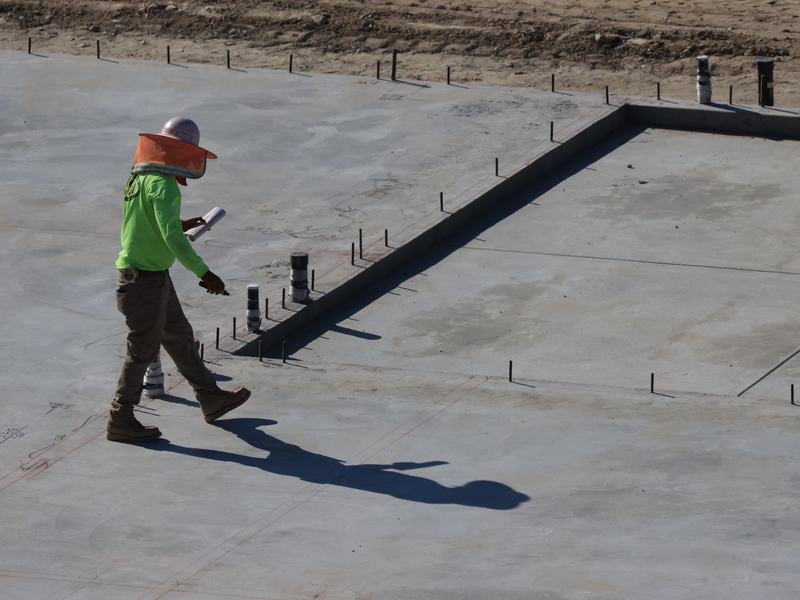
Champaign's freeze-thaw winters and clay soil put stress on concrete. Timing your pour right and understanding local conditions helps your driveway or patio last decades instead of years.
Most concrete contractors in Champaign work from late April into October. This window avoids hard freezes and gives fresh concrete time to cure properly before winter hits. Concrete needs temperatures above 50 degrees for several days after the pour to gain strength. Once nighttime temps consistently stay above freezing and daytime highs reach the 60s, conditions are generally good for pouring.
May through September is peak season. Contractors stay busy during these months and scheduling fills up fast. If you want work done in summer, book early. Late spring and early fall offer good weather and sometimes better availability.
You can pour concrete in cooler weather with the right precautions. Some contractors work into November or start again in March if temperatures cooperate. They use blankets, heated enclosures, or concrete additives to protect the pour from freezing. This adds cost and complexity, so most prefer to work in the main season.
Champaign sees regular freezing from December through February. Temperatures drop well below freezing and the ground can freeze 30 to 40 inches deep in a cold winter. This freeze-thaw cycle is brutal on concrete that wasn't poured right or hasn't fully cured.
When water gets into concrete through cracks or porous surfaces, it freezes and expands. That expansion pushes the concrete apart from the inside. Then it thaws and contracts. This cycle repeating dozens of times each winter breaks down concrete fast. Proper finishing, adequate thickness, and good drainage help concrete survive these conditions.
Champaign has seen some severe winters. In 1990, a major ice storm hit Champaign and Vermilion Counties with heavy freezing rain that caused $12 million in damage in Champaign County alone. Ice and snow put extra stress on driveways and walkways. Deicing salts, while necessary, also accelerate concrete deterioration if the surface wasn't sealed properly.
Champaign sits on clay soil that expands when it absorbs water and shrinks when it dries out. This movement puts stress on concrete slabs. A driveway or patio poured directly on clay without proper base prep will shift, settle, and crack as the ground moves through wet and dry cycles.
Good contractors know this and prepare the base with compacted gravel before they pour. A 4 to 6 inch gravel base provides a stable platform that drains water away and minimizes the effects of soil movement. Skipping this step to save a few bucks costs you more when the slab fails prematurely.
Drainage matters even more because of our soil. Water that sits under or against concrete finds its way in, and when that water freezes, damage follows. Proper grading so water runs away from the slab, and making sure downspouts and yard drainage don't dump water onto your concrete, extends the life of the installation.
Champaign County has seen 87 recorded tornadoes between 1950 and 2025 according to the National Weather Service. Notable storms include an F4 tornado that hit Champaign in 1976 causing injuries, and an F3 in Savoy in 1996 that injured 12 people. More recently, tornadoes touched down in the county in 2023 and 2025. Severe storms bring heavy rain, hail, and sometimes falling trees that damage driveways, patios, and walkways.
After storm damage, many homeowners rush to get repairs done. If your concrete got damaged in spring or summer, you have time to get it fixed before winter. If damage happens in late fall, you might need to wait until the next season unless the repair is urgent and weather allows.
Small cracks and surface damage get worse fast if you ignore them. Water infiltrates cracks, freezes, and makes them bigger each winter. If you spot damage after a storm or just from age and settling, getting it repaired before the next freeze-thaw season prevents a small problem from becoming a full replacement job.
Before you schedule concrete work, check the weather forecast for the week ahead. You want dry conditions and mild temperatures. Rain right after a pour can damage the surface. Extreme heat causes concrete to cure too fast and crack. Your contractor watches the weather closely, but you should too.
After the pour, stay off the new concrete for at least 24 to 48 hours for foot traffic and at least 7 days before you drive on it. Full strength takes 28 days. Rushing this leads to surface damage and weak spots. Your contractor will tell you specific timing based on conditions and the mix they used.
Once your concrete has cured, seal it. A good sealer protects against water infiltration, freeze-thaw damage, and salt damage from winter deicing. Plan to reseal every few years. This simple maintenance step adds years to your concrete's lifespan in Champaign's tough climate.
Also in our network: Best Time of Year for Concrete Work in Cedar Rapids Iowa, Best Time of Year for Concrete Work in Iowa City, IA.
Send us a few details and a photo and we will get you a free quote.
Get my free quote CHAMPAIGN